Search This Blog

Rapid immunological tests - from blood, stool etc.

RAPID KIT TESTS

    These are commonly used in immunological diagnosis. The most frequent tests performed as rapid kit tests are for detecting: helicobacter pylori antigen (from stool) and antibody (from blood); hepatitis antibody/antigen (from blood); others: giardia lamblia antigen (from stool), troponin antibody (from blood), detection of parasites (from stool) and many others (from other fluids as well). 

    Serological detection techniques emphasize antibody presence. They are highly used in clinical labs as immunological rapid tests, rapid kit tests that can also identify antigenic presence. The most common technique that such rapid kits use is the immunochromatography method of detection. A certain amount of blood (upon kit specification) is released on the cassette which may already have the reagent added. In some cases (kit specification) an amount of reagent is also added, along with the blood (serum/whole/venepuncture blood, upon kit specification).

    The quick test devices are designed for the in-vitro diagnosis use only; the cassette has a sample hole made of the material enabling the reagent to proceed. The membrane that constitutes the test device has been formed ultimately once the specific antigens/antibodies are passed through the test band space as well as the monoclonal antibodies specific to various pathogens under analysis are passed through the front cover. 

    The antibody reaction takes part in the end section of buffer membrane contenting the golden resultant. In case the antigens are present in the patient's sample, it dissolves in the solution included in the sampling bottle then proceeds by using the mixture form of chromatographically antigen-antibody-antigen golden particles towards test space (T) in order to form a visible line. Thus, a visible line appearance in the T space confirms the positive result in the detection of the pathogen. Otherwise, this visible line shall not appear. Unless this visible line is seen in T space, the result is negative. However, there is a color line every time in the control space (C). This control line is a procedural indicator. It confirms that the sufficient sample solution is dropped, the sample expands in the test properly and reagent is under control. 


HEPATITIS: A, B, C, D, E

HEPATITIS can be caused by A (HAV), B (HBV), C (HCV), D (HDV) or E (HEV) viruses.


Hepatitis A virus:

- highlighting acute-phase anti-HAV IgM antibodies by ELISA method and other methods (transaminases go up as well); acute-phase antibodies from the debut and last for about 10 weeks;

- after 10 weeks: anti-HAV IgG that lasts until the end of life, their presence reflecting either disease or vaccine. 


Hepatitis B virus:

- serological markers associated with hepatitis B virus infection:

        - AgHBs - HBV infection; from incubation until 3-4 months after infection;

        - AgHBe - along with HBV DNA they appear in serum immediately after AgHBs; indicators of active virus replication;

        - anti-HBc antibodies - undefined persistence; anti-HBc IgM are serum detectable a bit before the clinical debut, along with transaminases rise; indicators of acute phase;

        - anti-HBe antibodies - self-limiting infections;

        - anti-HBs antibodies - 4-6 months after infection; on curing; virus replication stop markers;

- HBV DNA copy-number = most sensible marker of active HBV replication. 


Hepatitis C virus: 

- anti-HCV antibodies - from blood; 

- RT-PCR to count HCV RNA: most accurate indicator. 


What is the difference between hepatitis A, hepatitis B, and hepatitis C? 
Hepatitis A, hepatitis B, and hepatitis C are liver infections caused by three different viruses. Although each can cause similar symptoms, they are spread in different ways and can affect the liver differently. Hepatitis A is usually a short-term infection and does not become chronic. Hepatitis B and C can also begin as short-term, acute infections, but in some people, the virus remains in the body, resulting in chronic disease and long-term liver problems.

Hepatitis D virus: 

- anti-HDV IgM antibodies - from blood; 

- HDV RNA in serum.


Hepatitis E virus: 

- anti-HEV antibodies - from blood; 

- RT-PCR to detect the HEV RNA in blood and stool.

HEPATITIS A VIRUS - detection from blood

HEPATITIS A VIRUS (HAV)

OVERVIEW

Hepatitis A: inflammation of the liver, causing mild to severe illness. It is a highly contagious, short-term liver infection, caused by the hepatitis A virus (HAV). When the liver is inflamed or damaged, its function can be affected. Heavy alcohol use, toxins, some medications, and certain medical conditions can cause hepatitis, but it is often caused by HAV. Hepatitis A is vaccine-preventable.


HAV is a member of the Picornaviridae family . HAV is primarily transmitted from person-to-person by the fecal-oral route either through person to person contact or consumption of contaminated food or water. The disease is closely associated with unsafe water or food, inadequate sanitation, poor personal hygiene and oral-anal sex. Although hepatitis A is not ordinarily a sexually transmitted disease, the infection rate is high among men who have sex with men due to oral-anal contact. HAV is found in the stool and blood of people who are infected. HAV is spread when someone unknowingly ingests the virus - even in microscopic amounts - through close personal contact with an infected person or through eating contaminated food or drink.  

Almost everyone recovers fully from hepatitis A, with a lifelong immunity. However, a very small proportion of people infected with HAV could die from fulminant hepatitis. Safe and effective vaccines are available to prevent hepatitis A. Unlike hepatitis B and C, hepatitis A does not cause chronic liver disease, but it can cause debilitating symptoms and rarely fulminant hepatitis (acute liver failure), which is often fatal.

Hepatitis A occurs sporadically and in epidemics worldwide, with a tendency for cyclic recurrences. Epidemics related to contaminated food or water can erupt explosively. They can also be prolonged, affecting communities for months through person-to-person transmission. 

GEOGRAPHICAL DISTRIBUTION

Geographical distribution areas can be characterized as having high, intermediate or low levels of HAV infection. However, infection does not always mean disease, because infected young children do not experience any noticeable symptoms. Infection is common in low- and middle-income countries with poor sanitary conditions and hygienic practices, and most children (90%) have been infected with the HAV before the age of 10 years, most often without symptoms. Infection rates are low in high-income countries with good sanitary and hygienic conditions.

Disease may occur among adolescents and adults in high-risk groups, such as people who inject drugs, men who have sex with men, people travelling to areas of high endemicity and in isolated populations. In developed countries, large outbreaks have been reported among people experiencing homelessness. In middle-income countries and regions where sanitary conditions are variable, children often escape infection in early childhood and reach adulthood without immunity.    

TRANSMISSION/EXPOSURE
 
HAV is primarily transmitted by the faecal-oral route; that is when an uninfected person ingests food or water that has been contaminated with the faeces of an infected person. In families, this may happen through dirty hands when an infected person prepares food for family members. 
The fecal-oral route of transmission can happen through:
- close person-to-person contact with an infected person
- sexual contact with an infected person
- ingestion of contaminated food or water
Waterborne outbreaks, though infrequent, are usually associated with sewage-contaminated or inadequately treated water. The virus can also be transmitted through close physical contact (such as oral-anal sex) with an infectious person.
Although viremia occurs early in infection, bloodborne transmission of HAV is known to be uncommon.  
Can a person spread HAV without having symptoms?
Yes. Many people, especially children, have no symptoms but can still spread the infection. A person can transmit HAV to others up to 2 weeks before symptoms appear. 

How is hepatitis A spread?
The HAV, found in the stool and blood of infected people, is spread when someone ingests the virus. 
- Person-to-person contact
Hepatitis A can be spread from close, personal contact with an infected person. Hepatitis A is very contagious, and people can even spread the virus before they feel sick. 
- Eating contaminated food or drink
Contamination of food with the HAV can happen at any point: growing, harvesting, processing, handling, and even after cooking. Although uncommon, foodborne outbreaks have occurred in the developed countries from people eating contaminated fresh and frozen imported food products.   
What should I do if I think I have been exposed to hepatitis A virus?
If you think you have been exposed to the hepatitis A virus, call your health professional or your local or state health department as soon as possible, ideally within 2 weeks. A health professional can decide next steps based on your age and overall health.
Can I prevent infection after an exposure to the hepatitis A virus?
A single shot of the hepatitis A vaccine can help prevent hepatitis A if given within 2 weeks of exposure. Depending upon your age and health, your doctor may recommend immune globulin in addition to the hepatitis A vaccine.
If I have had hepatitis A in the past, can I get it again?
No. Once you recover from hepatitis A, you develop antibodies, protecting you for life.   
How long does hepatitis A virus survive outside the body?
The hepatitis A virus can survive outside the body for months. Heating food and liquids to high temperatures can kill the virus.

SYMPTOMS

The incubation period of hepatitis A is usually 14-28 days. The symptoms can last up to 2 months and can be varied: 10-15% of symptomatic people have prolonged or relapsing disease for up to 6 months.
Symptoms of hepatitis A range from mild to severe and can include fever, malaise and/or fatigue, loss of appetite, diarrhea, nausea, abdominal discomfort (e.g.: stomach pain), dark-colored urine and jaundice (a yellowing of the eyes and skin). Not everyone who is infected will have all the symptoms. 
Adults have signs and symptoms of illness more often than children. The severity of disease and fatal outcomes are higher in older age groups. Infected children under 6 years of age do not usually experience noticeable symptoms, and only 10% develop jaundice. Hepatitis A sometimes relapses, meaning the person who just recovered falls sick again with another acute episode. This is normally followed by recovery. 
Most people with hepatitis A do not have long-lasting illness. The best way to prevent hepatitis A is to get vaccinated. Among older children and adults, infection is typically symptomatic. Symptoms usually occur abruptly and can include the following: fever, fatigue, loss of appetite, nausea, vomiting, abdominal pain, dark urine, diarrhea, clay/light-colored stool, joint pain, jaundice. Most (70%) of infections in children younger than the age of 6 are not accompanied by symptoms. When symptoms are present, young children typically do not have jaundice; most (>70%) older children and adults with HAV infection have this symptom.  
People who get hepatitis A may feel sick for a few weeks to several months but usually recover completely and do not have lasting liver damage. In rare cases, hepatitis A can cause liver failure and even death; this is more common in older people and in people with other serious health issues, such as chronic liver disease. 
Not everyone with hepatitis A has symptoms. Adults are more likely to have symptoms than children. If symptoms develop, they usually appear 2 to 7 weeks after infection. Symptoms usually last less than 2 months, although some people can be ill for as long as 6 months. 

WHO IS AT RISK?

Anyone who has not been vaccinated or previously infected can get infected with HAV. In areas where the virus is widespread (high endemicity), most hepatitis A infections occur during early childhood. Although anyone can get hepatitis A, certain groups of people are at higher risk for getting infected and for having severe disease if they do get hepatitis A.
Risk factors include: 
- poor sanitation;
- lack of safe water;
- living in a household with an infected person;
- being a sexual partner of someone with acute hepatitis A infection;
- use of recreational drugs;
- sex between men;
- travelling to areas of high endemicity without being immunized;
- people with occupational risk for exposure;
- people with chronic liver disease, including hepatitis B and C;
- people with HIV.
The last 2 are people at increased risk for severe disease from hepatitis A infection.

INCUBATION PERIOD FOR HAV: 28 days (range: 15-50 days). 

DIAGNOSIS

How is hepatitis A diagnosed?

A doctor can determine if you have hepatitis A by discussing your symptoms and ordering a blood test that can tell whether you have been recently infected with the virus that causes hepatitis A.  
Cases of hepatitis A are not clinically distinguishable from other types of acute viral hepatitis. Specific diagnosis is made by the detection of HAV-specific immunoglobulin IgM antibodies in the blood. Additional tests include reverse transcriptase polymerase chain reaction (RT-PCR) to detect the hepatitis A virus RNA and may require specialized laboratory facilities.
The case definition for acute hepatitis A:
- clinical criteria: an acute illness with a discrete onset of any sign or symptom consistent with acute viral hepatitis (e.g., fever, headache, malaise, anorexia, nausea, vomiting, diarrhea, abdominal pain, or dark urine)
AND
a) jaundice or elevated total bilirubin levels ≥ 3.0 mg/dL, OR
b) elevated serum alanine aminotransferase (ALT) levels >200 IU/L
AND
c) the absence of a more likely diagnosis


LABORATORY CRITERIA FOR DIAGNOSIS
Confirmatory laboratory evidence:
- Immunoglobulin M (IgM) antibody to hepatitis A virus (anti-HAV) positive, 
OR
- Nucleic acid amplification test (NAAT; such as polymerase chain reaction [PCR] or genotyping) for hepatitis A virus RNA positive.

CASE CLASSIFICATION - CONFIRMED
- A case that meets the clinical criteria and is IgM anti-HAV positive+ OR 
- A case that has hepatitis A virus RNA detected by NAAT (such as PCR or genotyping ) OR
- A case that meets the clinical criteria and occurs in a person who had contact (e.g., household or sexual) with a laboratory-confirmed hepatitis A case 15-50 days prior to onset of symptoms 

CAN HEPATITIS A BECOME CHRONIC?
No. Hepatitis A does not become a chronic, long-term infection. 

CAN SOMEONE BECOME RE-INFECTED WITH THE HEPATITIS A VIRUS?
No. Immunoglobulin G antibodies (IgG) to the hepatitis A virus, which appear early in the course of infection, provide lifelong protection against the disease.  

Hepatitis A virus detection:

- highlighting acute-phase anti-HAV IgM antibodies by ELISA method (transaminases go up as well); acute-phase antibodies appear from the debut and last for about 10 weeks;

- after 10 weeks: anti-HAV IgG that lasts until the end of life, their presence reflecting either disease or vaccine. 

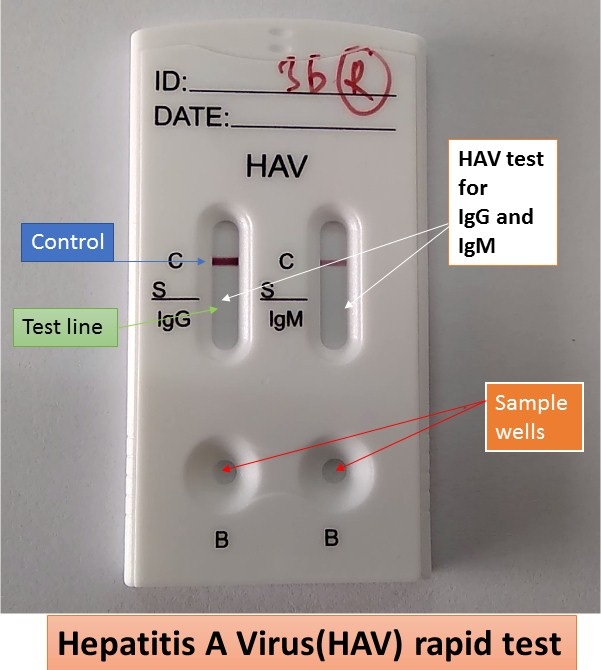
HAV IgG/IgM Rapid Test example: The onsite HAV IgG/IgM Rapid Test is usually a lateral flow chromatographic immunoassay for the qualitative detection and differentiation of antibodies (IgG and IgM) to Hepatitis A virus in human serum, plasma or whole blood. It is intended to be used as a screening test and provides a preliminary test result to aid in the diagnosis of HAV infection.

The presence of anti-HAV IgM in blood samples suggests an acute or recent HAV infection. In most infected individuals, anti-HAV IgM rapidly increases in titer over a period of 4-6 weeks post infection and then declines to non-detectable levels within 3 to 6 months. Anti-HAV IgG can be detected at the onset of symptoms and remain elevated throughout an individual's life. Protective immunity from an infection with HAV is indicated by an anti-HAV IgG level  20-33 mIU/mL, though the presence of anti-HAV IgG  20-33 mIU/mL does not necessarily ensure protection from a future HAV infection. A patient without protective levels of anti-HAV IgG (<20-33 mIU/mL) is considered a risk of acquiring an HAV infection. 

The OnSite HAV IgG/IgM Rapid Test can usually be performed within 15 minutes by minimally skilled personnel without the use of laboratory equipment. Test principle: the test strip in the cassette device consists of: 1) a burgundy coloured conjugate pad containing HAV antigens conjugated with colloidal gold (HAV conjugates) and a control antibody conjugated with colloidal gold; 2) a nitrocellulose membrane strip containing two test lines (G and M lines) and a control line (C line). The G line is pre-coated with mouse anti-human IgG for detection of anti-HAV IgG. The M line is pre-coated with mouse anti-human IgM for detection of anti-HAV IgM. The C line is pre-coated with a control antibody. 

When an adequate volume of test specimen and sample diluent is dispensed into the sample well and buffer well, respectively, the specimen migrates by capillary action across the test strip. If anti-HAV IgG is present in the specimen, it will bind to the HAV conjugates. The immunocomplex is then captured on the membrane by the pre-coated mouse anti-human IgG forming a burgundy coloured G-line, indicating an HAV IgG positive test result. If anti-HAV IgM is present in the specimen it will bind to the HAV conjugates. The immunocomplex is then captured on the membrane by the pre-coated mouse anti-human IgM forming a burgundy coloured M line, indicating an HAV IgM positive test result.

Absence of any test lines (G or M) suggests a negative result. The test contains an internal control (C line) which should exhibit a burgundy coloured line of the immunocomplex of the control antibodies, regardless of colour development of the test lines (G and M). If no control line (C line) develops, the test result is invalid and the specimen must be retested with another device.


TREATMENT

There is no specific treatment for hepatitis A. Recovery from symptoms following infection may be slow and can take several weeks or months. Hospitalization is unnecessary in the absence of acute liver failure. Therapy is aimed at maintaining comfort and adequate nutritional balance, including replacement of fluids that are lost from vomiting and diarrhea.


HOW IS HAV INFECTION PREVENTED?

Vaccination with the full, two-dose series of hepatitis A vaccine is the best way to prevent infection. Hepatitis A vaccines are available for use in people 1 year of age and older. 
Immune globulin can provide protection against hepatitis A, both pre- and postexposure.

PREVENTION

Improved sanitation, food safety and immunization are the most effective ways to combat hepatitis A.
The spread of hepatitis A can be reduced by:
- adequate supplies of safe drinking water;
- proper disposal of sewage within communities; and
- personal hygiene practices such as regular handwashing before meals and after going to the bathroom. 

HEPATITIS A VACCINATION


WHO SHOULD BE VACCINATED AGAINST HEPATITIS A?
Children
- All children aged 12-23 months
- Unvaccinated children and adolescents aged 2-18 years old
People at increased risk for HAV infection
- International travelers
- Men who have sex with men
- People who use injection or noninjection drugs 
- People with occupational risk for exposure
- People who anticipate close personal contact with an infected person
- People experiencing lack of hygienic conditions
People at increased risk for severe disease from HAV infection
- People with chronic liver disease 
- People with human immunodeficiency virus infection
Other people recommended for vaccination
- Pregnant women at risk for HAV infection or severe outcome from HAV infection
- Any person who requests vaccination
Vaccination during outbreaks
- Unvaccinated people in outbreak settings who are at risk for HAV infection or at risk for severe disease from HAV

What if an infant receives the first dose of hepatitis A vaccine at an age younger than 12 months?
Although no known harm is associated with giving hepatitis A vaccine to infants, the hepatitis A vaccine dose(s) administered prior to 12 months of age might result in a suboptimal immune response, particularly in infants with passively acquired maternal antibody. Therefore, hepatitis A vaccine dose(s) administered at <12 months of age are not considered valid doses.  
The two-dose hepatitis A vaccine series should be initiated when the child is at least 1 year of age.  
How long does protection from hepatitis A vaccine last?
The exact duration of protection against hepatitis A virus infection after vaccination is unknown.
Anti-HAV has been shown to persist for at least 20 years in most people receiving the 2-dose series as infants <2 years of age, those vaccinated with a 3-dose series as young children (aged 3-6 years), and adults receiving the entire vaccine series during adulthood.  
Can hepatitis A vaccine be administered concurrently with other vaccines?
Yes. Hepatitis B, diphtheria, poliovirus (oral and inactivated), tetanus, typhoid (oral and intramuscular), cholera, rabies, and yellow fever vaccines can be given at the same time that hepatitis A vaccine is given.
In studies among young children, simultaneous administration of hepatitis A vaccine did not affect the immunogenicity or reactogenicity of diphtheria-tetanus-acellular pertussis; inactivated polio; measles, mumps, rubella (MMR); hepatitis B; and Haemophilus influenzae type b vaccines.  
Can a patient receive the first dose of hepatitis A vaccine from one manufacturer and the second (last) dose from another manufacturer?
Ideally, doses of vaccine in a series come from the same manufacturer; however, if this is not possible or if the manufacturer of doses given previously is unknown, providers should administer the vaccine that they have available. The dose should be considered valid and does not need to be repeated.
What should be done if the second (last) dose of hepatitis A vaccine is delayed?
The second dose should be given as soon as possible. Even if the second dose is delayed, the first dose does not need to be repeated.   

IMMUNE GLOBULIN

What is immune globulin?
Immune globulin is a substance made from human blood plasma that contains antibodies, which are the body's natural defense against infection. Injections of immune globulin may be given under certain circumstances, like when someone is too young to get vaccinated or can't get vaccinated because of a previous, life-threatening reaction to the hepatitis A vaccine or vaccine component. Unlike the hepatitis A vaccine, immune globulin does not provide long-term protection against infection. 


POSTEXPOSURE PROPHYLAXIS FOR HEPATITIS A

What should be done when a case of hepatitis A is found in a setting providing services to children or adults (e.g., a school, hospital, office setting, corrections facility, or homeless shelter)?
- Postexposure prophylaxis (PEP) is not routinely indicated when a single case occurs in a school or work setting and the source of infection is outside of the setting. 
- When a person who has HAV infection is admitted to a hospital, staff members should not routinely be administered PEP; instead, appropriate infection control practices should be emphasized. 
- PEP should be administered to people who have close contact with index patients if an epidemiologic investigation indicates HAV transmission has occurred among students in a school or among patients or between patients and staff members in a hospital. 
- PEP should be considered for all previously unvaccinated residents and employees when a confirmed hepatitis A case occurs in a setting where close personal contact occurs regularly and hygiene standards are difficult to maintain (e.g., correctional facility, homeless shelter, various facilities). In a setting containing multiple enclosed units or sections (e.g., prison ward), PEP administration should be limited only to people in the area where there is exposure risk.

Do immunocompromised people require additional protection after being exposed to someone with hepatitis A?
Yes. People who are immunocompromised or have chronic liver disease and who have been exposed to hepatitis A virus within the past 2 weeks and have not previously completed the 2-dose hepatitis A vaccination series should receive both immune globulin and hepatitis A vaccine simultaneously in a different anatomic site (e.g., separate limbs) as soon as possible after exposure. When the dose of hepatitis A vaccine administered is the first dose the exposed individual has received, a second dose should be administered 6 months after the first for long-term protection.

Should pregannt women at increased risk for exposure to the hepatitis A virus (HAV) receive postexposure prophylaxis?  
Women with increased likelihood of exposure to HAV during pregnancy can be administered immune globulin. There has been no observed increase in maternal or infant adverse events after hepatitis A vaccination or IG administration in pregnancy. 

HEPATITIS A AND INTERNATIONAL TRAVEL 

Who should get the hepatitis A vaccine before travelling internationally?
All unvaccinated people, along with those who have never had hepatitis A, should be vaccinated before traveling to countries where hepatitis A is common. Travelers to countries where hepatitis A is common are still at risk. International travelers have been infected, even though they regularly washed their hands and were careful about what they drank and ate. Those who are too young or can't get vaccinated because of a previous, life-threatening reaction to the hepatitis A vaccine or vaccine component should receive immune globulin.

How soon before travel should I get the hepatitis A vaccine?
You should get the first dose of hepatitis A vaccine as soon as you plan international travel to a country where hepatitis A is common. The vaccine will provide some protection even if you get vaccinated closer to departure. For older adults (age >40 years), people who are immunocompromised, and people with chronic liver disease or other chronic medical conditions the health-care provider may consider, based on several factors, giving an injection of immune globulin at the same time in different limbs. 

What should I do if I am traveling internationally but cannot receive hepatitis A vaccine?
People who are allergic to a vaccine component or are younger than 6 months should receive a single dose of immune globulin before traveling to a country where hepatitis A is common. Immune globulin provides effective protection against hepatitis A virus infection for up to 2 months, depending on the dosage given. If you are staying longer than 2 months, you can get another dose of immune globulin during your visit for continued protection against hepatitis A.       

HEPATITIS B VIRUS - detection from blood

HEPATITIS B VIRUS (HBV)

OVERVIEW

Hepatitis B is a viral infection that attacks the liver and can cause both acute and chronic disease; it is caused by the hepatitis B virus (HBV). 

For many people, hepatitis B is a short-term illness. For others, it can become a long-term, chronic infection (lasting >6 months) that can lead to serious, even life-threatening health issues. This is because chronic HBV infection increases the risk of developing conditions that permanently scar the liver: liver failure, cancer or cirrhosis. These complications cause high morbidity and mortality. Hence, hepatitis B is a major global health problem. 


    Most adults with hepatitis B recover fully, even if their signs and symptoms are severe. Infants and children are more likely to develop a chronic, long-lasting HBV infection. Risk for chronic infection is therefore related to age at infection: about 90% of infants with hepatitis B go on to develop chronic infection, whereas only 2%-6% of people who get hepatitis B as adults become chronically infected. The best way to prevent hepatitis B is to get vaccinated. Vaccines can prevent hepatitis B. If you're infected, taking certain  precautions can help prevent spreading the virus to others. 


SYMPTOMS

Signs and symptoms of HBV range from mild to severe. They usually appear at 1-4 months after infection, but they can also appear as early as 2 weeks post-infection. Most people do not experience any symptoms when newly infected; especially young children may not have any symptoms. However, some people have acute illness with symptoms that last several weeks.

HBV signs and symptoms may include: 

- abdominal pain

- dark urine 

- fever

- joint pain

- loss of appetite

- nausea and vomiting 

- weakness and (extreme) fatigue

- yellowing of the skin and of the whites of the eyes (jaundice) 


TRANSMISSION

In highly endemic areas, hepatitis B is most commonly spread from mother to child at birth (perinatal transmission) or through horizontal transmission (exposure to infected blood), especially from an infected child to an uninfected child during the first 5 years of life. The development of chronic infection is common in infants from their mothers and before the age of 5 years old.   

Hepatitis B is also spread by needlestick injury, tattooing, piercing and exposure to infected blood and body fluids, such as saliva and menstrual, vaginal and seminal fluids. Transmission of the virus may also occur through the reuse of contaminated needles and syringes or sharp objects either in health care settings, in the community or among people who inject drugs. Sexual transmission is more prevalent in unvaccinated people with multiple sexual partners. 

The hepatitis B virus can survive outside the body for at least 7 days. During this time, the virus can still cause infection if it enters the body of a person who is not protected by the vaccine. The incubation period of the hepatitis B virus ranges from 30 to 180 days. The virus may be detected within 30 to 60 days after infection and can persist and develop into chronic hepatitis B, especially when transmitted in infancy or childhood.


DIAGNOSIS

It is not possible on clinical grounds to differentiate hepatitis B from hepatitis caused by other viral agents, hence laboratory confirmation of the diagnosis is essential. Several blood tests are available to diagnose and monitor people with hepatitis B. They can be used to distinguish acute and chronic infections. WHO recommends that all blood donations be tested for hepatitis B to ensure blood safety and to avoid accidental transmission.  

As of 2019, only around 10.5% of all people estimated to be living with hepatitis B were aware of their infection, while around 22% of the people diagnosed were on treatment. In settings with high hepatitis B surface antigen seroprevalence in the general population (defined as ≥2% or ≥5% HBsAg seroprevalence), WHO recommends that all adults have access to and be offered HBsAg testing with linkage to prevention, care and treatment services as needed.


Newly diagnosed with hepatitis B: Nearly 1 in 3 people worldwide will be infected with the HBV in their lifetime. If one knows having been exposed to hepatitis B, the doctor should be contacted immediately. A preventive treatment may reduce the risk of infection if receiving the treatment within 24h of exposure to the virus.

First steps

1. Understand our diagnosis. Do you have an acute or a chronic infection? When someone is first infected with HBV, it is considered an acute infection. Most healthy adults are able to get rid of the virus on their own when acutely infected. If testing remains positive after 6 months, it is considered a chronic infection. Knowing whether hepatitis B is acute or chronic helps determining the next steps.

2. Prevent the Spread to Others. Hepatitis B can be transmitted to others through blood and bodily fluids, but there are safe and effective vaccines that can protect from hepatitis B. Patients should also be aware of how to avoid passing the infection to family, household members and sexual partners. 

3. Find a Physician. If chronic hepatitis B have been diagnosed, it is important to find a doctor with expertise in treating liver disease. 

4. Educate Yourself. It is important that patients get the facts about hepatitis B, including what it is, who gets it, and possible symptoms, starting with "What is Hepatitis B". 


Hepatitis B virus - diagnosing options and their acronyms:

- serological markers associated with hepatitis B virus infection:

          - AgHBs - HBV infection; hepatitis B virus antigens detectable from incubation until 3-4 months after infection;

     - AgHBe - along with HBV DNA, these hepatitis B virus antigens appear in serum immediately after the usual antigens (AgHBs); these particular antigen are indicators of active virus replication;

         - anti-HBc antibodies - undefined persistence; anti-HBc IgM are serum detectable a bit before the clinical debut, along with transaminases rise; indicators of acute phase;

       - anti-HBe antibodies - self-limiting infections;

        - anti-HBs antibodies - 4-6 months after infection; on curing; virus replication stop markers;

- HBV DNA copy-number = most sensible marker of active HBV replication. 


CAUSES

HBV infection is caused by the hepatitis B virus (HBV), which is passed from person to person through body fluids. Common ways that HBV can spread are: 

- Close contact: the virus can pass from the infected person to the uninfected one through blood, saliva, semen or vaginal secretions. This contamination can happen through sexual contact, sharing needles, syringes or other drug-injection equipment; from mother to baby at birth. 

- Sharing of needles. HBV easily spreads through needles and syringes contaminated with infected blood.

- Accidental needle sticks. HBV is a concern for health care workers and anyone else who comes in contact with human blood. 

- Mother to child. Pregnant women infected with HBV can pass the virus to their babies during childbirth. However, the newborn can be vaccinated to avoid getting infected in almost all cases. It is good to get tested for HBV if pregnant or if getting ready to become pregnant.  


ACUTE VS CHRONIC HBV

HBV infection: short-lived (acute) or long lasting (chronic). 

- Acute hepatitis B infection lasts <6 months. The immune system likely can clear acute hepatitis B from the body and one can completely recover within a few months. Most people who get hepatitis B as adults have an acute infection, but it can lead to chronic infection. 

- Chronic hepatitis B infection lasts 6 months. It lingers because the immune system can't fight off the infection. Chronic hepatitis B infection may last a lifetime, possibly leading to serious illnesses such as cirrhosis and liver cancer. 

The younger the age of getting HBV (particularly newborns or <5 years old children), the higher the risk of the infection becoming chronic. Chronic infection may go undetected for decades until a person becomes seriously ill from liver disease. 


COMPLICATIONS

Having a chronic HBV infection can lead to serious complications, such as: 

- Scarring of the liver (cirrhosis). The inflammation associated with an HBV infection can lead to extensive liver scarring (cirrhosis), which may impair the liver's ability to function.

- Liver cancer. People with chronic HBV infection have an increased risk of liver cancer. 

- Liver failure. Acute liver failure is a condition in which the vital functions of the liver shut down. When that occurs, a liver transplant is necessary to sustain life.

- Other conditions. People with chronic HBV may develop kidney disease or inflammation of blood vessels. 


HBV-HIV Coinfection

Some of the people living with HBV infection are also infected with HIV. Conversely, the global prevalence of HBV infection in HIV-infected individuals is around 7.4%. 

Since 2015, WHO has recommended HBV treatment for everyone diagnosed with HIV infection, regardless of the stage of disease. Tenofovir, which is included in the treatment combinations recommended as first-line therapy for HIV infection, is also active against HBV. 


TREATMENT

For acute hepatitis B, care is aimed at maintaining comfort and adequate nutritional balance, including replacement of fluids lost from vomiting and diarrhea. 

Chronic hepatitis B can be treated with oral antiviral medication. Treatment can slow the progression of cirrhosis, reduce incidence of liver cancer and improve long term survival.

WHO recommends the use of oral treatments (tenofovir or entecavir) as the most potent drugs to suppress hepatitis B virus. Most people who start hepatitis B treatment must continue it for life. 

In low-income settings, most people with liver cancer die within months of diagnosis. In high-income countries, patient present to hospital earlier in the course of the disease, and have access to surgery and chemotherapy which can prolong life for several months to a few years. Liver transplantation is sometimes used in people with cirrhosis or liver cancer in high-income countries, with varying success.  


PREVENTION

Hepatitis B can be prevented by vaccines that are safe, available and effective. The available vaccines offer 98-100% protection against hepatitis B. Preventing hepatitis B infection averts the development of complications including chronic disease and liver cancer. The HBV vaccine is typically given as 3 or 4 injections over 6 months and is recommended for:

- newborns

- children and adolescents not vaccinated at birth

- people who live with someone who has hepatitis B

- health care workers, emergency workers and other people who come into contact with blood

- anyone who has a sexually transmitted infection, including HIV

- men who have sex with men

- people who have multiple sexual partners

- sexual partners of someone who has hepatitis B

- people who inject illegal drugs or share needles and syringes

- people with chronic liver disease

- people with end-stage kidney disease

- travelers planning to go to an area of the world with a high hepatitis B infection rate


ADULTS LIVING WITH HEPATITIS B

Testing positive for the hepatitis B virus for >6 months indicates having a chronic hepatitis B infection. All patients with chronic hepatitis B infections, including children and adults, should be monitored regularly, since they are at increased risk for developing cirrhosis, liver failure, or liver cancer.   

An appointment should be made with a hepatologist (liver specialist) or gastroenterologist familiar with hepatitis B. This specialist will order blood tests and possibly a liver ultrasound to evaluate hepatitis B status and the health of the liver. The doctor will probably want to see the patient at least once or twice a year to monitor hepatitis B and to determine if there would be benefit from treatment.   

Not everyone who tests positive for HBV will require medication. Depending on the test results, the doctor might decide to wait and monitor the condition. Whether starting treatment right away or not, the doctor will want to see the patient every six months, or at minimum once every year.

Once diagnosed with chronic hepatitis B, the virus will most likely stay in the blood and liver for a lifetime. It is important to know that one can pass the virus along to others, even if not feeling sick. This is why it's so important making sure that all close household contacts and sex partners are tested and vaccinated against hepatitis B. 

The most important thing to remember is that chronic hepatitis B is a medical condition as serious as diabetes and high blood pressure that can be successfully managed if you take good care of your health and your liver. You should expect to live a long, full life. 

HEPATITIS C VIRUS - detection from blood

HEPATITIS C VIRUS (HCV) 

KEY FACTS AND OVERVIEW:

Hepatitis C is a liver infection caused by the hepatitis C virus (HCV) and spread through contact with blood from an infected person; sometimes leads to serious liver damage. Nowadays, most people become infected with HCV by sharing needles or other equipment used to prepare and inject drugs. People may also get HCV from unsafe health care, unscreened blood transfusions and sexual practices that lead to blood exposure. 

    For some people, hepatitis C is a short-term illness, but for more than half of people who become infected with the HCV, it becomes a long-term, chronic infection. Long-term infection with the HCV is known as chronic hepatitis C and this can result in serious, even life-threatening health problems like cirrhosis and liver cancer. Antiviral medicines can cure >95% of people with HCV infection, but access to diagnosis and treatment is low. There is currently no effective vaccine against hepatitis C. Globally, an estimated 58 million people have HCV infection, with about 1.5 million new infections occurring per year. There are an estimated 3.2 million adolescents and children with chronic HCV infection.

    The best way to prevent hepatitis C is by avoiding behaviors that can spread the disease, especially injecting drugs. Getting tested for hepatitis C is important, because treatments can cure most people with hepatitis C in 8-12 weeks. 


SYMPTOMS:

The incubation HCV period: 2 weeks to 6 months. Following initial infection, approximately 80% of people do not exhibit any symptoms. People with chronic hepatitis C can often have no symptoms and don't feel sick, as chronic hepatitis C is usually a "silent" infection for many years, until the virus damages the liver enough to cause the signs and symptoms of liver disease. 

Signs and symptoms include: 
- bleeding and bruising easily
- fatigue and poor appetite
- yellow discoloration of the skin and eyes (jaundice)
- dark-colored urine
- itchy skin and weight loss, swelling in the legs
- fluid buildup in the abdomen (ascites)
- confusion, drowsiness and slurred speech (hepatic encephalopathy)
- spiderlike blood vessels on the skin (spider angiomas)
    HCV causes both acute and chronic infection. Acute HCV infections are usually asymptomatic and most do not lead to a life-threatening disease. Every chronic hepatitis C infection starts with an acute phase. Acute hepatitis C usually goes undiagnosed because it rarely causes symptoms. However, those who are acutely symptomatic may exhibit fever, fatigue, decreased appetite, nausea, vomiting, abdominal pain, dark urine, pale faeces, joint pain and jaundice. Acute symptoms appear at 1-3 months after exposure and last 2 weeks to 3 months.
    Acute HCV infection doesn't always become chronic. Of those with chronic HCV infection, the risk of cirrhosis ranges from 15% to 30% within 20 years.

CAUSES: 

Hepatitis C infection is caused by the HCV and spreads when blood contaminated with the virus enters the bloodstream of an uninfected person. 

Globally, HCV exists in several distinct forms, known as genotypes. Seven distinct HCV genotypes and more than 67 subtypes have been identified. The most common HCV genotype in the United States is type 1. Although chronic hepatitis C follows a similar course regardless of the genotype of the infecting virus, treatment recommendations vary depending on the viral genotype.


COMPLICATIONS:

HCV infection that continues over many years can cause significant complications, such as:  
- Scarring of the liver (cirrhosis). After decades of HCV infection, cirrhosis may occur. Scarring in your liver makes it difficult for your liver to function.
- Liver cancer. A small number of people with HCV infection may develop liver cancer. 
- Liver failure. Advanced cirrhosis may cause your liver to stop functioning.


GEOGRAPHICAL DISTRIBUTION:

HCV infections may occur in all regions. The highest burden of disease is in the Eastern Mediterranean and European Regions, as well as the South-East Asia and the Western Pacific Regions. Millions of people are chronically infected in the African Region and a couple millions also in the Region of the Americas. 

TRANSMISSION:

The HCV is a bloodborne virus, commonly transmitted through: 
- the reuse or inadequate sterilization of medical equipment, especially syringes and needles in healthcare settings;
- the transfusion of unscreened blood and blood products;
- injecting drug use through the sharing of injection equipment.

HCV can be passed from an infected mother to her baby and via sexual practices that lead to exposure to blood (for example, people with multiple sexual partners and among men who have sex with men).

Hepatitis C is not spread through breast milk, food, water or casual contact such as hugging, kissing and sharing food or drinks with an infected person.

TESTING AND DIAGNOSIS:

Because new HCV infections are usually asymptomatic, few people are diagnosed when the infection is recent. In those who develop chronic HCV infection, this is often undiagnosed because it remains asymptomatic until decades after infection when symptoms develop secondary to serious liver damage. 

HCV infection is diagnosed in 2 steps:
1. Testing for anti-HCV antibodies with a serological test identifies people who have been infected with the virus. 
2. If the test is positive for anti-HCV antibodies, a nucleic acid test for HCV ribonucleic acid (RNA) is needed to confirm chronic infection and the need for treatment. This test is important because about 30% of people infected with HCV spontaneously clear the infection by a strong immune response without the need for treatment. Although no longer infected, they will still test positive for anti-HCV antibodies. This nucleic acid for HCV RNA can either be done in a lab or using a simple point-of-care machine in the clinic. 

RT-PCR COUNTING HCV RNA IS THE MOST ACCURATE INFECTION INDICATOR.

After chronic HCV infection diagnosis, an assessment determines the degree of liver damage (fibrosis and cirrhosis). This can be done by liver biopsy or through a variety of non-invasive tests. The degree of liver damage is used to guide treatment decisions and disease management.

About 6.2% of the estimated number of people living with HIV globally have serological evidence of past or present HCV infection. Chronic liver disease represents a major cause of morbidity and mortality among people living with HIV globally.  

TREATMENT: 

A new infection with HCV does not always require treatment, as the immune response in some people will clear the infection. However, when HCV infection becomes chronic, treatment is necessary. 
WHO recommends therapy with pan-genotypic direct-acting antivirals (DAAs) for all adults, adolescents and children <3 years old with chronic HCV infection. DAAs can cure most people with HCV infection, and treatment duration is short (usually 12-24 weeks), depending on the absence/presence of cirrhosis. In 2022, WHO included new recommendation for treatment of adolescents and children using the same pan-genotypic treatments used for adults. 
 
Pan-genotypic DAAs remain expensive in many high- and upper-middle-income countries. Generic versions of these medicines have been introduced. The most widely used and low-cost pan-genotypic DAA regimen is sofosbuvir and daclatasvir.
Access to HCV treatment is improving but remains too limited. Of the million of people living with HCV infection globally, only an estimated 21% know their diagnosis, and of those diagnosed with chronic HCV infection, around 62% are treated with DAAs. 

PREVENTION:

There is no effective vaccine against hepatitis C so prevention depends on reducing the risk of exposure. 
Primary prevention interventions recommended by WHO include: 
- safe and appropriate use of health care injections;
- safe handling and disposal of sharps and waste (raised caution regarding body piercing and tatooing);
- provision of comprehensive harm-reduction services to people who inject drugs;
- testing of donated blood for HBV and HCV (as well as HIV and syphilis);
- training of health personnel; and
- prevention of exposure to blood during sex.